The Complete Guide to SMM Panel Scripts: How to Start, Run, and Scale Your Own SMM Business
Starting a social media marketing (SMM) business has become one of the most accessible online ventures available today, and at the heart of nearly every successful SMM business is one critical piece of technology: the SMM panel script. Whether you're looking to launch a reseller panel, a rental panel, or a full-scale multi-vendor platform, choosing the right script can make the difference between a smooth, profitable operation and a frustrating, costly mistake. In this guide, we'll walk through everything you need to know about SMM panel scripts, the different types available, key features to look for, and how TopSMMShop can help you get started quickly and affordably.
What Is an SMM Panel Script?
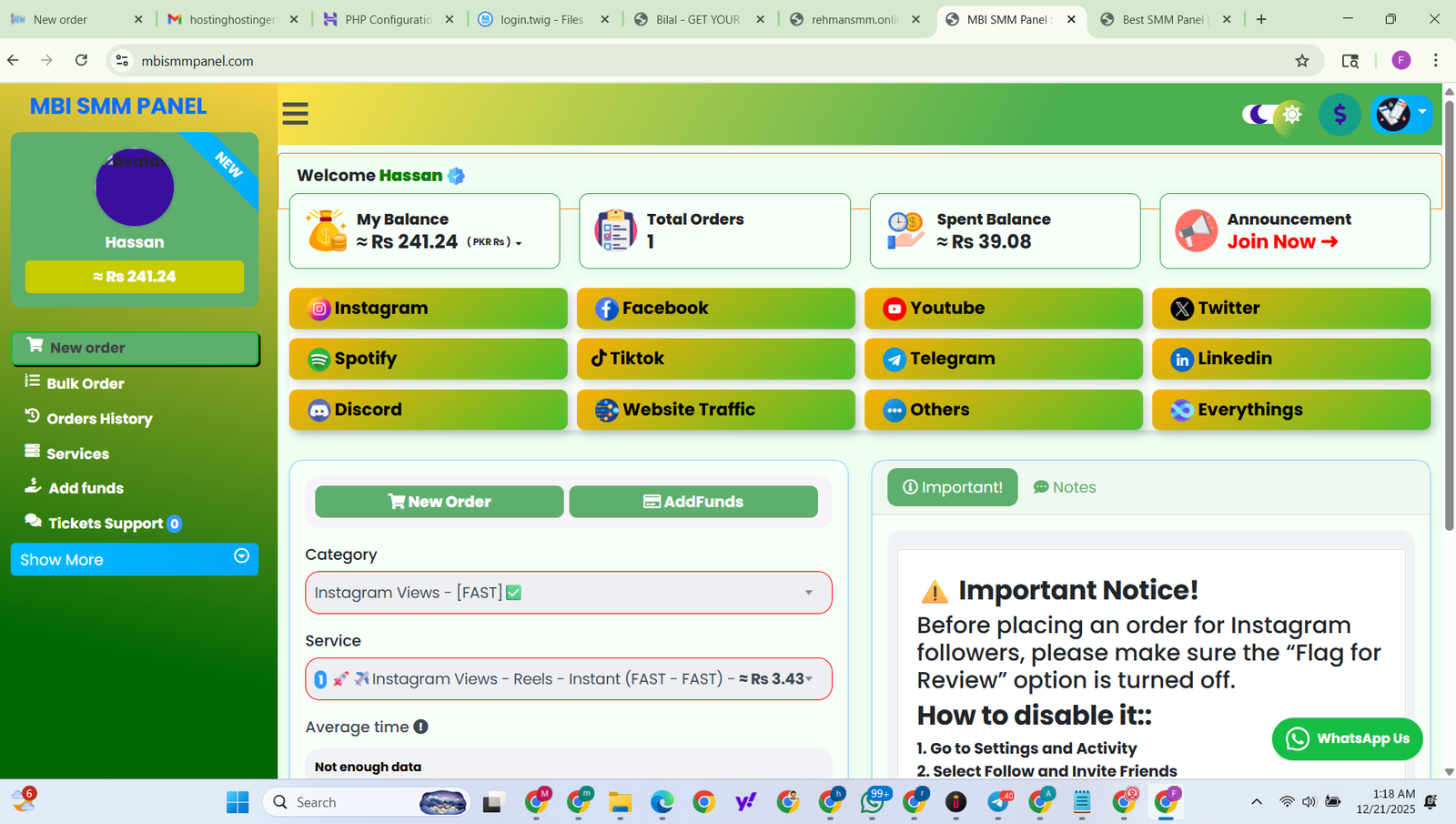
An SMM panel script is the software that powers an SMM panel website — the platform where customers can order social media services like followers, likes, views, and comments for platforms such as Instagram, TikTok, YouTube, and Facebook. The script handles everything behind the scenes: order processing, API connections to service providers, payment collection, user accounts, and admin controls.
Without a reliable script, none of the customer-facing parts of an SMM panel — the order form, the pricing list, the account dashboard — would actually function. This is why choosing a well-built, secure, and feature-complete script is one of the most important decisions anyone starting an SMM business will make.
You can explore the full range of available scripts on the TopSMMShop products page.
Why People Are Starting SMM Panel Businesses
The SMM industry has grown rapidly because the barrier to entry is low compared to most online businesses. You don't need to manufacture a product, hold inventory, or handle shipping. Instead, you're essentially reselling digital engagement services, often sourced from larger SMM providers, at a marked-up price to your own customer base.
Common reasons people get into this space include:
Types of SMM Panel Scripts
Not all SMM panel scripts are built the same way, and picking the right type depends on your business goals.
Reseller Panel Scripts
A reseller panel script is designed for someone who wants to buy services in bulk from a larger SMM provider and resell them to their own customers at a profit. This is the most common starting point for new SMM entrepreneurs because it requires the least technical setup.
White Label SMM Panel Scripts
A white label panel lets you fully rebrand the platform as your own — your logo, your domain, your pricing — while the underlying technology and service delivery is handled by the script and its connected API providers. This is a popular choice for anyone who wants to build a recognizable brand in the SMM space.
Rental Panel Scripts
Rental panel scripts work differently from standard reseller panels. Instead of selling individual orders, you rent out access to a panel itself — meaning your customers pay a recurring fee to use their own mini version of the panel, often to resell services themselves. This model has become increasingly popular because it creates more predictable, recurring revenue. The Official Rental Panel Script available on TopSMMShop is built specifically for this business model.
Multi-Vendor SMM Panel Scripts
For more advanced operations, multi-vendor scripts allow multiple providers or sub-resellers to operate within a single platform, each managing their own services, pricing, and customers. This setup is more complex but suits businesses aiming to scale into a marketplace-style operation.
Key Features to Look for in an SMM Panel Script
When comparing SMM panel scripts, a few core features consistently separate reliable platforms from problematic ones:
API Integration — The script needs to connect smoothly with external SMM service providers so that orders are processed automatically rather than manually.
Payment Gateway Support — Look for scripts that support multiple payment methods, including PayPal, Stripe, and cryptocurrency options, since customer payment preferences vary widely by region.
Admin Dashboard — A clear, well-organized admin panel makes it far easier to manage orders, users, pricing, and service categories without needing to touch the underlying code.
Wallet and Balance System — Most successful panels use an internal wallet system, letting customers fund their account balance and place orders without repeated checkout friction.
Ticket and Support System — Built-in customer support tools reduce the operational burden on you as the panel owner.
Source Code Access — Owning the source code (rather than only a hosted/licensed version) gives you full control to customize, rebrand, and modify the script as your business grows.
Responsive Design — Since a significant share of SMM panel customers browse and order from mobile devices, a responsive, mobile-friendly interface is essential.
Common Mistakes to Avoid When Choosing a Script
Many newcomers to the SMM panel business make avoidable mistakes early on. Some of the most common include:
Choosing a script purely based on the lowest price, without checking whether it includes ongoing support or updates. Downloading "free" or pirated scripts from unofficial sources, which often contain malicious code, missing features, or no support at all. Failing to verify whether the script includes proper API documentation, which can make troubleshooting integration issues extremely difficult later. Not considering scalability — choosing a script that works for 50 customers but breaks down at 5,000.
How to Get Started with TopSMMShop
If you're ready to launch your own SMM panel business, TopSMMShop offers a range of SMM panel scripts designed for different business models and experience levels — from straightforward reseller panels to the Official Rental Panel Script for those interested in the rental business model.
Each script is built with the core features outlined above: API integration, payment gateway support, admin dashboards, and full source code access, so you're not locked into a rigid, closed system as your business grows.
To explore available options, visit the TopSMMShop homepage or browse specific product pages for detailed feature breakdowns and pricing.
Frequently Asked Questions
Do I need coding experience to run an SMM panel script? No. Most modern SMM panel scripts, including those available through TopSMMShop, are designed with non-technical users in mind, with setup guides and admin dashboards that don't require programming knowledge for day-to-day operation.
What's the difference between a reseller panel and a rental panel? A reseller panel sells individual services (likes, followers, views) directly to customers. A rental panel rents out panel access itself, letting your customers run their own mini-panel and resell services to their own audience.
Can I customize the script after purchase? If you purchase a script with full source code access, you can customize branding, pricing structures, and in many cases the underlying functionality, depending on your technical capability or the support options available.
Is owning an SMM panel script a good business model in 2026? Demand for social media growth services remains strong globally, and panel scripts continue to be a relatively low-overhead way to enter the market, though competition has increased, making service quality, pricing, and customer support more important than ever for standing out.
Looking for a reliable SMM panel script to start or scale your business? Visit TopSMMShop to explore available scripts, pricing, and features.
Get the updates, offers, tips and enhance your page building experience
Up to Top
Comments All
Abdullah Mamun
@abdullah_mamun
This blog title highlights a crucial aspect of the UX field – the power of learning from fellow practitioners. UXers have so much to gain from sharing experiences and staying up-to-date with trends. I'm excited to read the blog and discover how we can harness the collective wisdom of UX communities to continually improve our craft
September 23,2023 At 09:08 AM
Shinzing Pang
@shinzing_pang
Connecting with fellow UXers for insights and trends—can't wait to read more!
September 23,2023 At 09:15 AM